








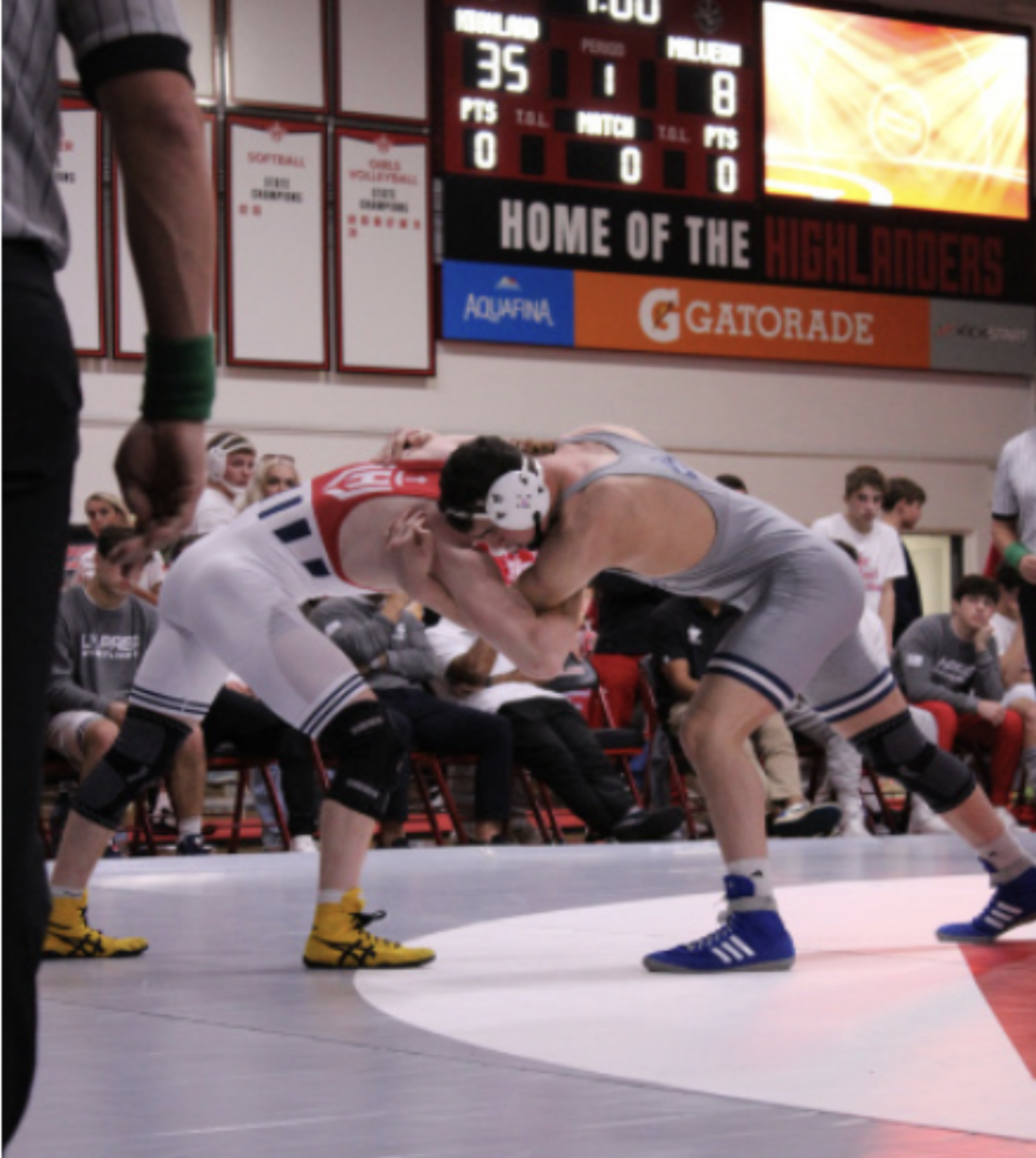

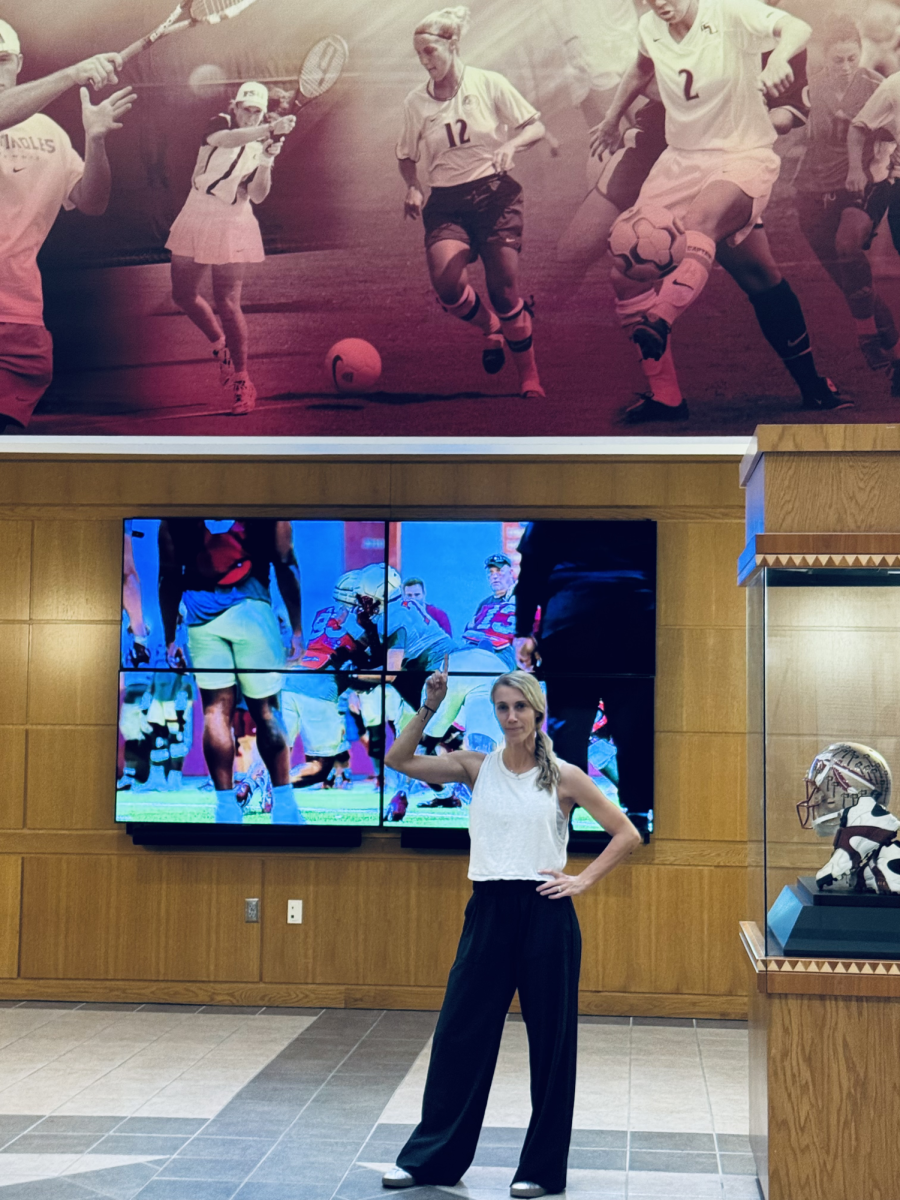



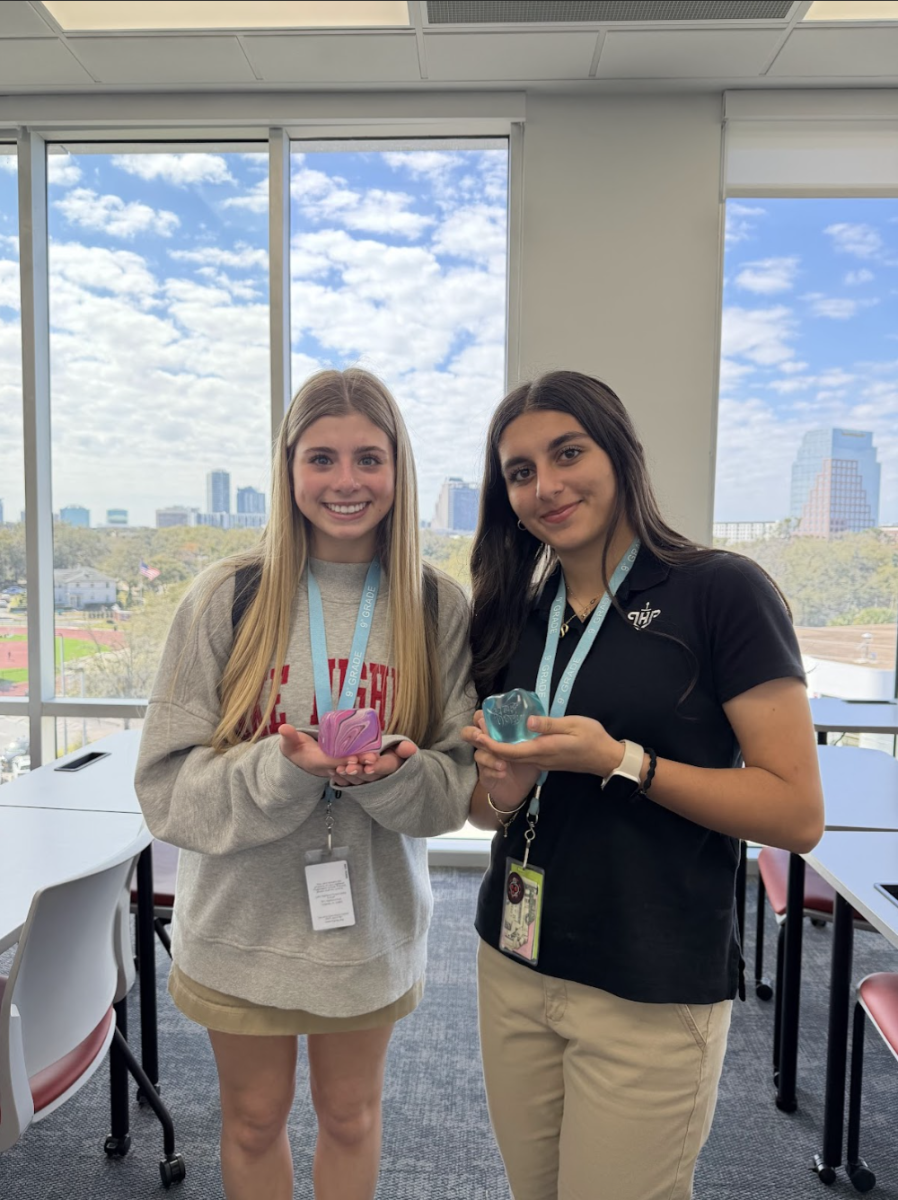






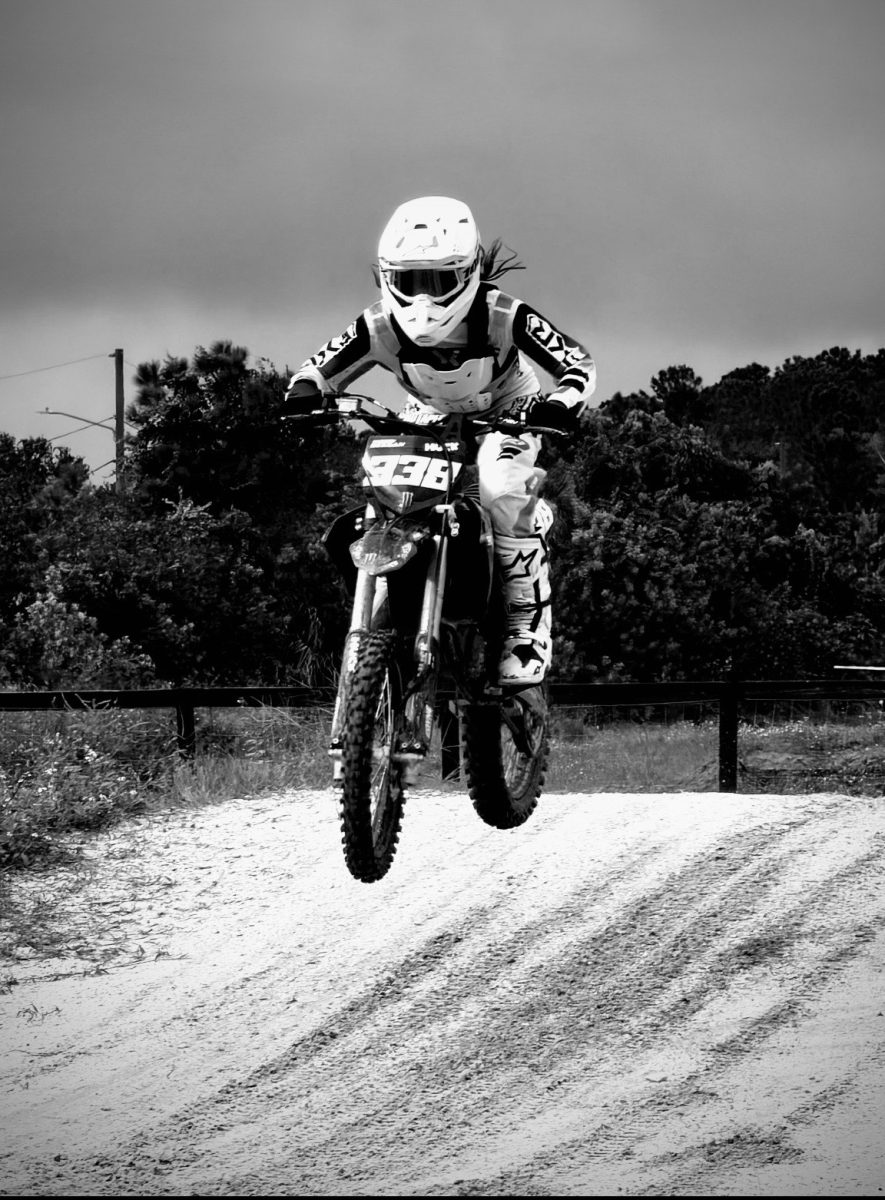
“Don’t be afraid of anything,” Pat Palinkas, the first woman to ever play professional football, once said as many female athletes asked for her word of advice. This quote inspired many females to do what they love and makes them feel like they are being true to themselves. Since 1972, with the passage of Title IX, which made it illegal to discriminate based on sex in any federally funded education program, including sports, many women have been joining male-dominated sports such as football, wrestling, Bicycle Motocross BMX, or even motocross. Despite the challenges, discrimination, and sexism in sports, females pushed past these restrictions to do what they love the most: their sport. When Pat Palinkas was signed to the Orlando Panthers and bobbled the ball during a play, she was knocked down by Wally Florence, a 240-pound linebacker, during a scrimmage. After the play, Florence stated that he, “Tried to break her neck” because he is, “Out here trying to make a living, and she’s out here prancing around making a folly out of a man’s game,” as reported by TIME Magazine. This sexism and words are similar to what many females go through when they play a sport that is a “man’s game.”
In many communities, sports like motocross, wrestling, and football have long been seen as a male-dominated space where strength, toughness, and skill are often associated with males. Lately, an increasing number of female athletes have been entering these sports, challenging these stereotypes. Despite their growing presence, women often face many obstacles that their male counterparts do not. These challenges include being underestimated, receiving less support or recognition, and feeling constant pressure to prove to themselves and others that they deserve a spot in their sport and that they deserve to compete. These trials can affect confidence, performance, and opportunities. Yet many female athletes persist because of their passion for their sport. By highlighting these examples, we get to see the broader issues of gender inequality in athletics and see how increased acceptance for female athletes can help reshape the culture of sports for the generations to come. Calling attention to these differences shows young women that, as long as they are doing what they love, the rest shouldn’t matter.
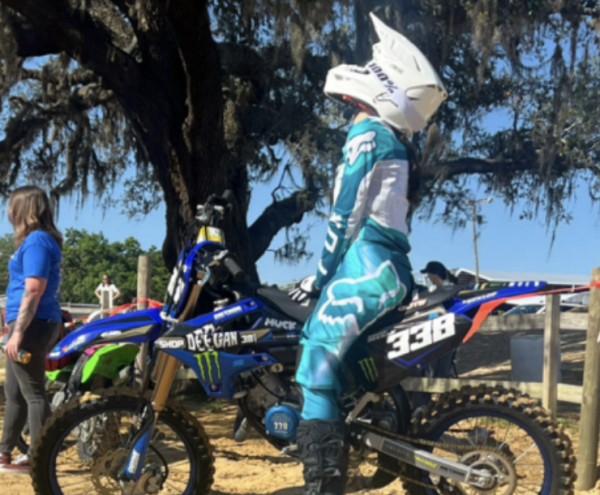
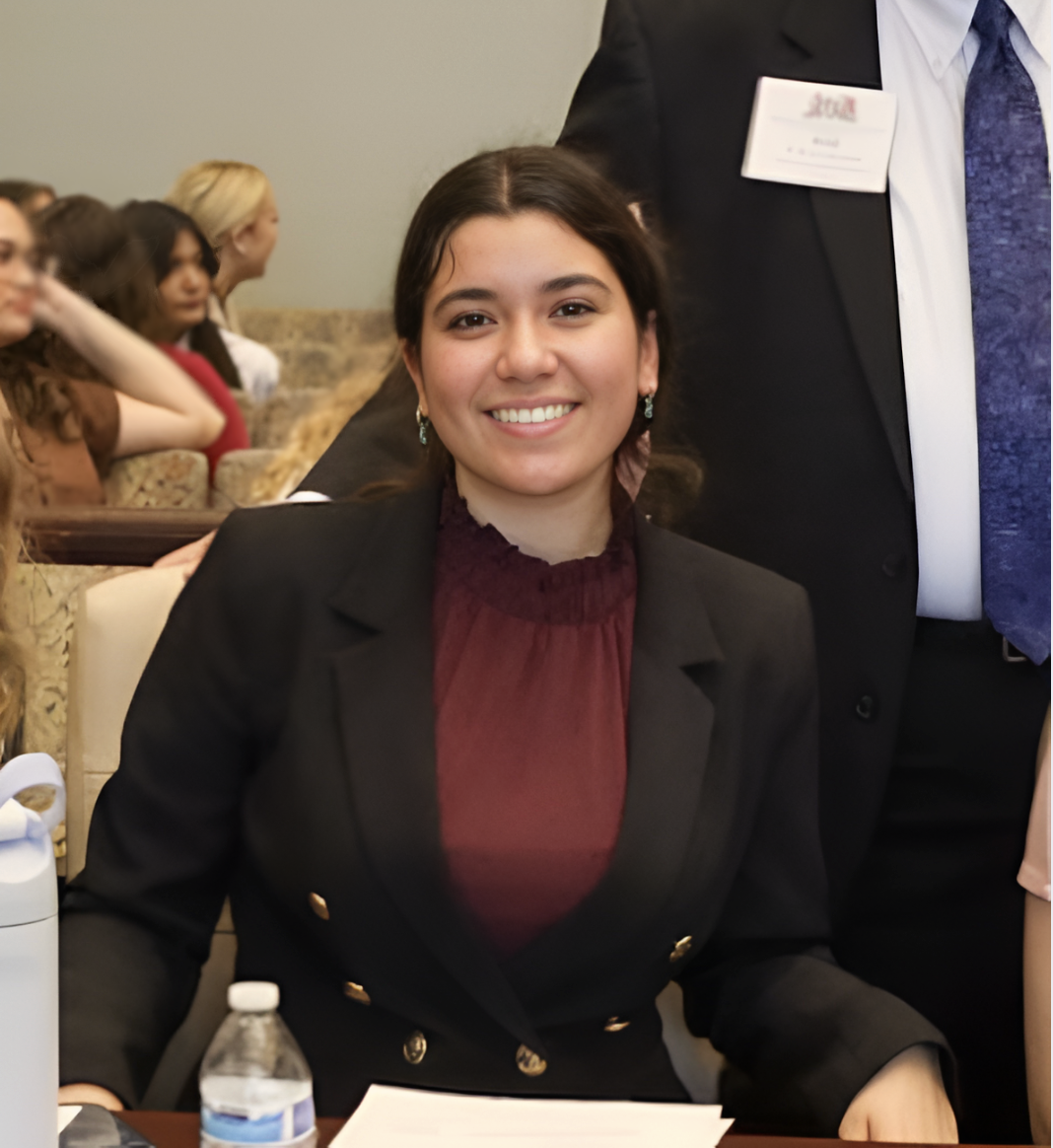
The AMA Supercross Championship is finally in season, bringing thousands of fans into the stadiums. Around 32.1% of the supercross fanbase is female, demonstrating some female interest in motocross. Avery Ennis, grade 12, is one of the students who took the chance to become part of motocross. When asked about her experience in racing, Avery stated, “The boys around me are full of testosterone and will therefore be more aggressive on the track.” This makes her feel the need to prove she can be just as aggressive as the males in order to win. She also explained how she feels that when she gets hurt, she feels more pressure to get up and prove she is worthy, rather than taking a break and doing what her body needs. Overall, her motocross life has brought positives, such as people being, “More impressed” when she tells them she races.
Throughout my personal experience with motocross, I have gone through a lot of challenges but truly, they are worth it. At the start of my sport I realized the lack of women’s clothes and gear many brands have. That made me have to buy the smallest size there was in men’s. While a little uncomfortable, it worked. Once I consistently went to the track, Future MX, I felt as if everything was done for me. I became friends with my coach, saw my bike in my area, and then I went to change. The second I would walk out of the changing room, my bike was ready to go. Yes, I will admit, it made my life easier, but it also made me feel as if they thought I couldn’t do it myself, which I could. I switched tracks due to the environment. I felt as if I were being “babied” because I was the only female at the track, making me feel a bit out of place. I also felt as if nobody saw me as a “rider.” I was simply seen as a teenage girl, and I didn’t like it. I wanted to be seen and treated the same way they were.
At my new track, I feel very comfortable. I feel as if people see me as a rider just trying to love their sport. Every negative I went through brought me to my new track, where all the positives came. Being a girl in this sport means a lot to me, but it can come with a price such as people making jokes about it at school. Many times uninformed people have said I’m, “Not supposed to ride” because I am a female, or even that it is a, “Man’s sport.” No matter what, I continue to do what I love because this sport shaped me into who I am right now.
So, women who choose to be different and take on the challenges of being considered a “minority,” just because of their gender, do tend to have issues proving themselves. However, they persevere. They understand what they may go through, but they decide to do it anyway. Yes, it can be extremely challenging and very emotional at times, but at the end of the day, these women know that this is what shapes them as strong individuals. They know that they wouldn’t trade their sport for the world.

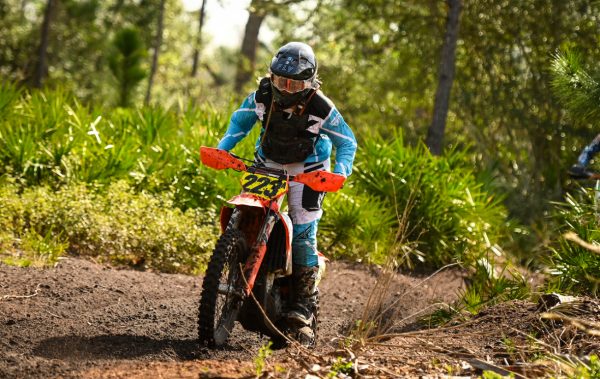
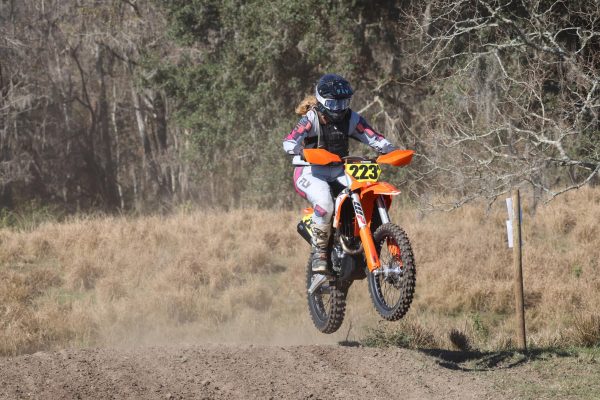
influenced by her father. (Avery Ennis )