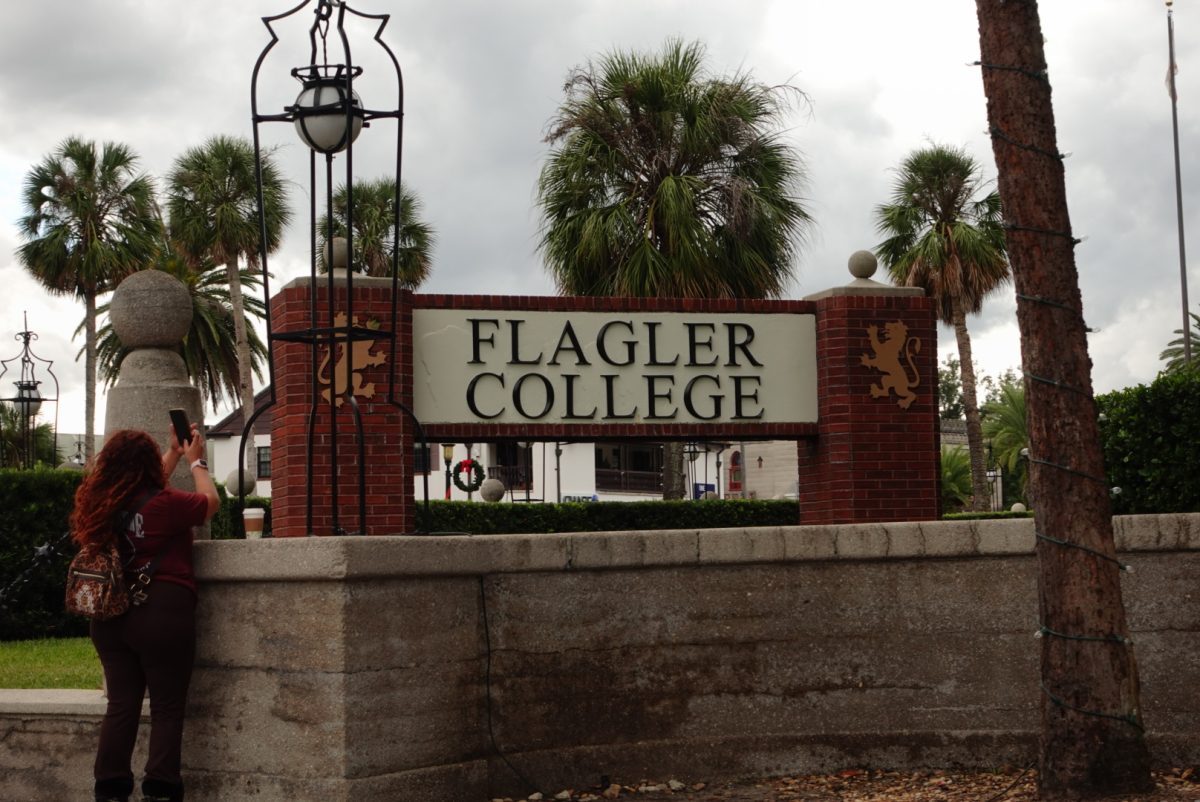
(Above) One of the most prominent places in St. Augustine is Flagler College, which was formerly known to be one of the oldest luxury resorts in America. According to visitstaugustine.com, this was opened in 1888 by Henry Flagler, and it is also known for being one of the first major buildings made with poured concrete. It is currently a private liberal arts college; founded in 1968.
Many people consider St. Augustine a touristy postcard town, but beneath its archaic exterior, visitors can start to see the town’s significance in history. Many tourists may remember visiting this site on an elementary school field trip, but few know the story behind America’s oldest city. Founded on September 8, 1565, according to visitstaugustine.com, the reason why there is so much historical recognition behind this city is because it was an, “Inhabited European-established city in the United States. Its history spans Spanish, British, and American rule, and many original structures and sites still stand today.”
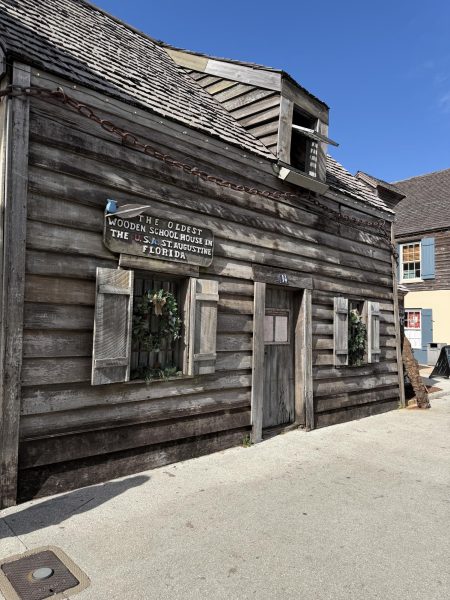
Additionally, the Oldest Wooden School House is older than the founding of America. “Visitors can view copies of old textbooks and school supplies from the 18th century, and tour the kitchen and gardens, where a fruitful pecan tree has been growing for an estimated 250 years.” With over 400 years of rich history, numerous historic sites have been preserved, including the Ximénez-Fatio House, the Tolomato Cemetery, and the St. Augustine Foot Soldiers Monument. Visitors may do more than just admire the city’s history. They can walk through the Colonial Quarter’s cobblestone streets, take a guided tour of the Castillo de San Marcos, or visit the Lightner Museum to learn more about the city’s culture. St. Augustine offers numerous opportunities to connect the past to the present, including historic walking tours, scenic boat trips, and popular local cafés.
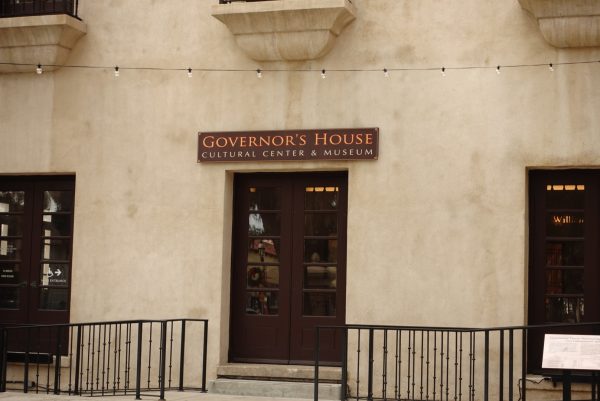
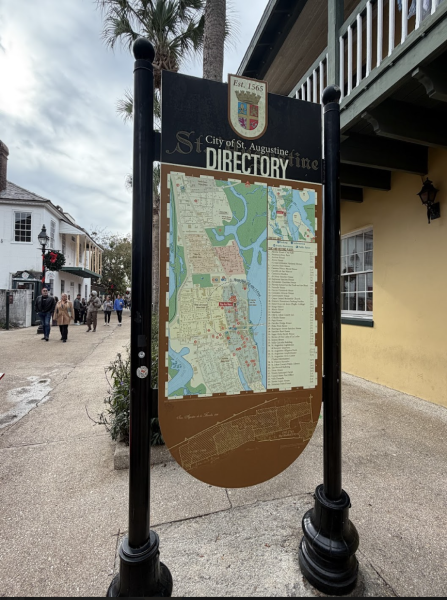
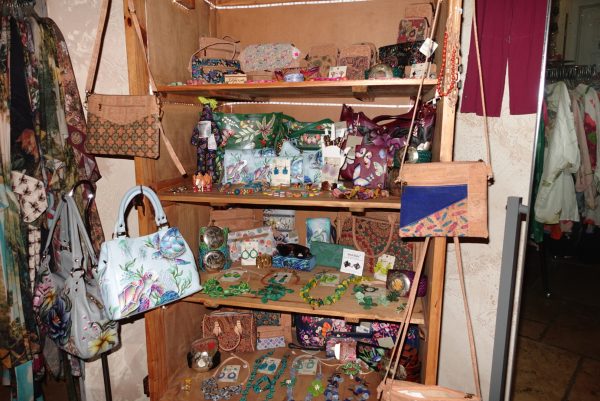
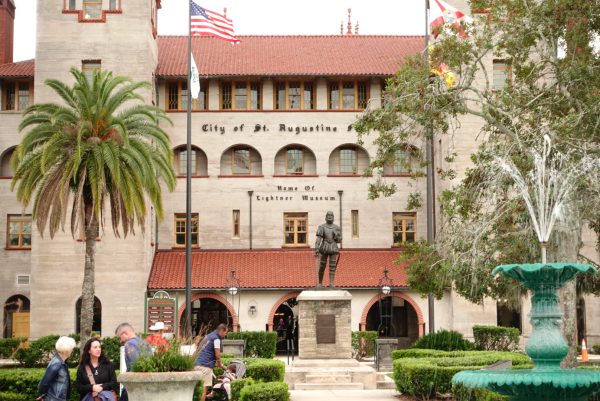
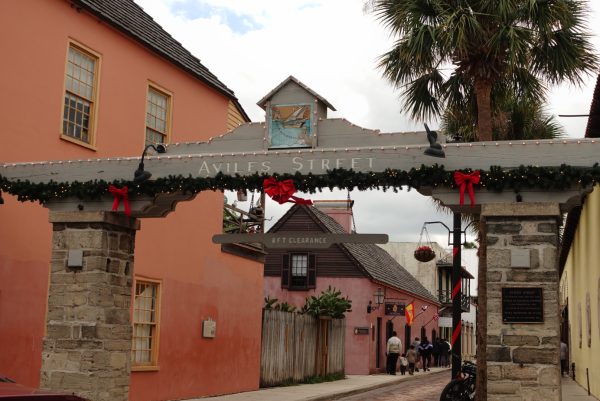
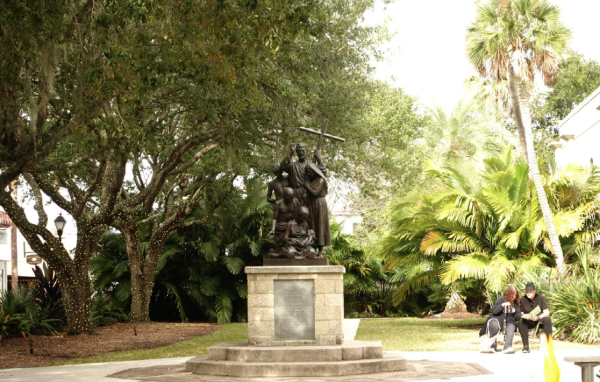
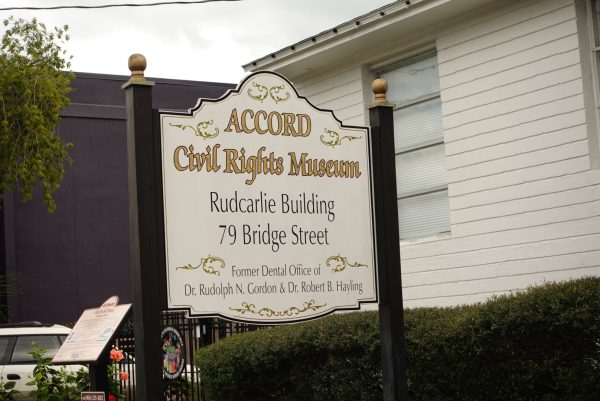
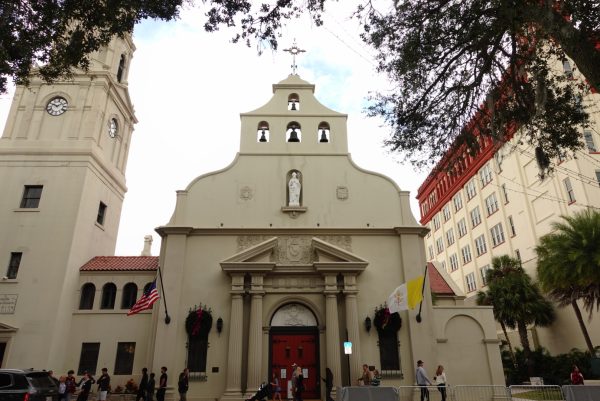
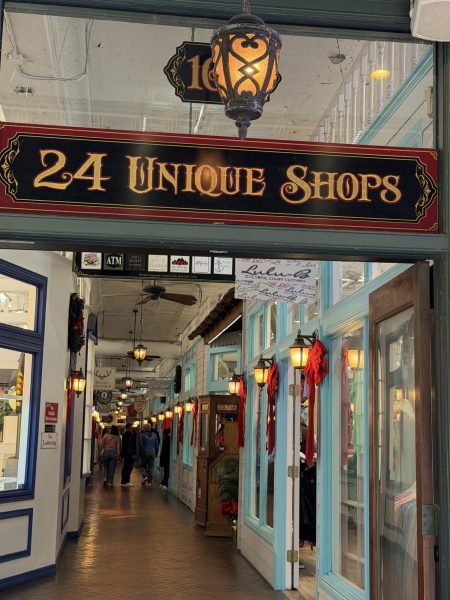
(Above) The Governer’s House, known for being a museum, contains many Victorian and Guilded Age antique pieces. According to floridashistoriccoast.com, it states that the building, “Has a long and fascinating history since the site has been home to several government offices since 1598.” Additionally, Flagler College uses this building for academic purposes. According to staugustine.ufl.edu, there is an archaeology laboratory, research areas, and a digitization lab. There is a mix of rich modern restructure and original architecture throughout the building. (Hiba Bilal)(Above) Visitors of St. Augustine do not have to worry about missing any historical landmarks as markers are scattered throughout the area. This directory depicts many European-founded settlements packed with local clothing, jewerly, purse shops, and a variety of restaurants and cafes. People visiting for the first time can go from museums, to lunch, to landmarks in five minutes. There are so many places for people to explore, and the historical fun never ends. (Hiba Bilal)(Above) One of the shops in St. Augustine was the Silver Feather Jewelry shop. Here visitors can choose from a variety of shopping options. According to floridashistoriccoast.com, it states, “The shop carries many jewelry designers’ and artisans’ works, from casual to contemporary, business to evening, and everyday wear. Along with a fantastic collection of jewelry, Silver Feather has an impressive collection of pottery, wall art, rocks, fossils, crystals, Native American-style flutes, hand drums, and more.” Additionally, they carried a lot of fashion accessories and items for the holiday season. It’s located on St. George Street, across from the Oldest Wooden School House, and is a location one can easily step into when walking into the historic district. (Hiba Bilal)(Above) Another popular historical land- mark in St. Augustine is the Oldest Wooden School House. According to visitstaugustine.com, this dates back to the early 1700s, and visitors can self-tour the property. There are also animatronics that help narrate what school life was like during this era. Ticket prices are very affordable, and admission for adults is $8.00, while child admission is $7.00. This is a must-see if one wants to take a step back into history and see what a schoolhouse from this time period looked like. (Hiba Bilal)(Above) The Lightner Museum was known to be the Alcazar Hotel, which was another luxury hotel across the street from Flagler College. According to visitstaugustine.com, “Today, the heart of the Lightner Museum includes lamps by Louis Comfort Tiffany, American and European paintings, and shells collected from all over the globe.” According to lightnermuseum.org, around noon, “There are guided tours of the historic Alcazar Hotel swimming pool.” These tours take place from 11:00 A.M. to 2:00 P.M. (Hiba Bilal)(Above) Aviles Street, close to the Castillo de San Marcos, is known to be one of Florida’s oldest streets. According to visitstaugustine.com, a fun fact is, “In the 1930s, Aviles became the city’s first formal arts district when the old Hamblin Hardware warehouse at 11 Aviles Street was transformed into a studio and gallery space.” Another fun fact about this area is there were early 1600s artifacts found within the bricks of the buildings. There are many architectural details and features throughout the street, including, “Coquina walls, iron balconies, and brick paving.” Finally, Peace Pie on Aviles Street serves an exclusive ice cream sandwich, “Made with shortbread cookies and house-made pie fillings.” (Hiba Bilal)(Above) This statue is called Father Pedro Camps and the Minorcansof St. Augustine. It is located next to the Cathedral Basilica courtyard. According to staaa.stqry.app, the story behind this statue reveals how, “Father Pedro Camps helped the Minorcan settlers escape harsh conditions in New Smyrna and find refuge in St. Augustine.” This statue serves as a memorial to the Minorcan people, and it was built on April 24, 1975. (Hiba Bilal)(Above) The ACCORD Civil Rights Museum is known to be one of the first civil rights museums in America. According to visitstaugustine.com, it states “…This had housed Dr. Robert B. Hayling’s dental practice. Dr. Hayling, then retired, served as an advisor for the museum and its collection of materials.” This museum is opened from Tuesdays to Fridays from 10:00 A.M. to 3:00 P.M., and visitors are able to learn about important events and people who fought for racial equality. (Hiba Bilal)(Above) The Cathedral Basilica of St. Augustine is one of the oldest Catholic churches in the city and was established in 1565, according to visitstaugustine.com. The website states, “Though the parish began in the 1500s, the Cathedral’s permanent home wasn’t built until 1797. Early structures moved locations during the Spanish and British Colonial eras.” Inside the church are features such as, “Murals, relics, stained glass, and sculptures.” Historically, the original church on the Cathedral Basilica site was burned during Sir Francis Drake’s 1586 raid, and St. Augustine has annual reenactments of the raid. (Hiba Bilal)(Above) St. Augustine contains a thriving market area, and a great place to visit is the 24 Unique Shops. This is located at Heritage Walk on St. George Street and has many unique boutiques, gourmet food stores, gift stores, bookstores, and more! According to visitstaugustine.com, this is a, “Shopper’s paradise and is a prime shopping destination for vacationers.” It also states that there are many unique treasures one can buy from these stores. (Hiba Bilal)
Hiba Bilal, grade 12, is the Director of Photography for Lake Highland Preparatory School’s newspaper Twice-Told Tale. This will be Hiba’s third year on the newspaper staff: she started in her Freshman year, then came back for Junior and Senior years. She loves to explore a variety of topics and uses her creative writing skills to achieve a great piece. She hopes one day in the future to become a dermatologist and an author. When not writing, Hiba loves to read books, watch movies, and play piano. Additionally, she loves to write and publish poetry for The America Library of Poetry.