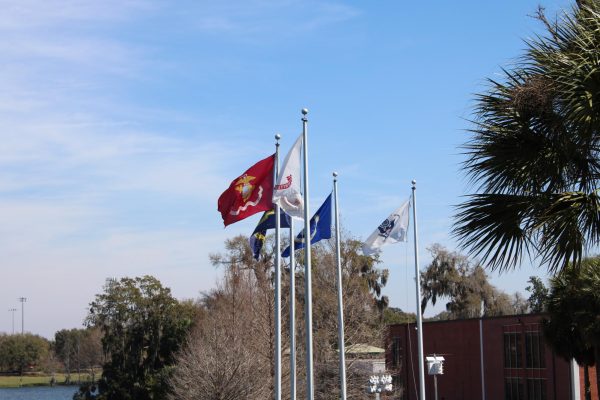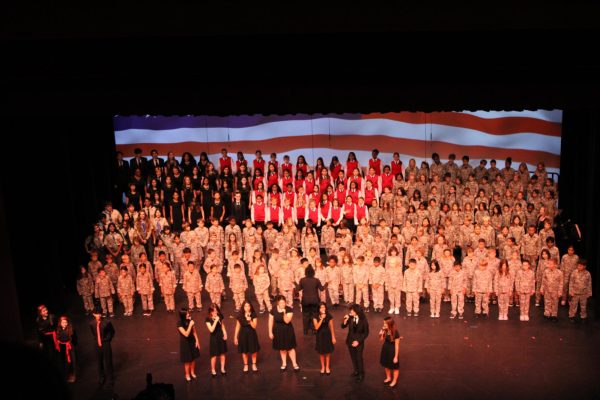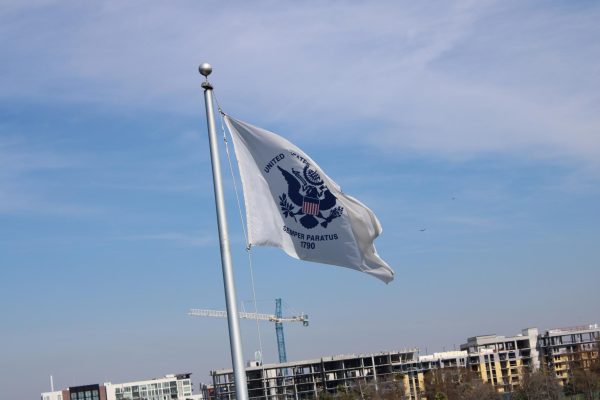
























For many high school and college students, JROTC offers more than a path to military service. It’s a rigorous training ground for leadership, discipline, and opportunity. JROTC is a voluntary program for college and high school students, sponsored by the military, to improve physical fitness and many other skills. According to Military.com, “When enrolled in ROTC, you learn and develop leadership skills and prepare for a career in the U.S. military. You will learn firsthand what it takes to lead others, motivate groups and conduct missions.” In many high schools, JROTC positively impacts students by increasing school involvement, promoting respect and accountability, and providing students with chances to grow as leaders. JROTC has a strong impact on high schools because it provides structure and a sense of belonging for many students. Students in the program often take on leadership roles, which help them build confidence and prepare for future careers, whether in the military, college, or the workforce. Additionally, JROTC programs frequently organize service projects and events that strengthen the relationship between the school and the local community. JROTC is not just fitness and discipline; it is a foundation for future career paths, a chance for education, and a deeper understanding of one’s physical well-being and body.
JROTC was established just before World War I in 1916, and has been a crucial part of military training and development since then. The Heritage Foundation states that, “According to a 2021 Rand Corporation study, students who complete all four years of JROTC are more likely to graduate high school than their non-JROTC peers. Those cadets also have higher grades, higher rates of attendance, and lower suspension rates compared with non-cadets.” This shows us that JROTC is not just a building block for the military process but an academic benefit for high school students. Although military training is a constituent of the JROTC program, the benefits of this seminar stretch far beyond the military. Only 20-25% of JROTC and ROTC cadets end up enlisting in the military, with the other 75-80% joining for the education of fundamental life skills.
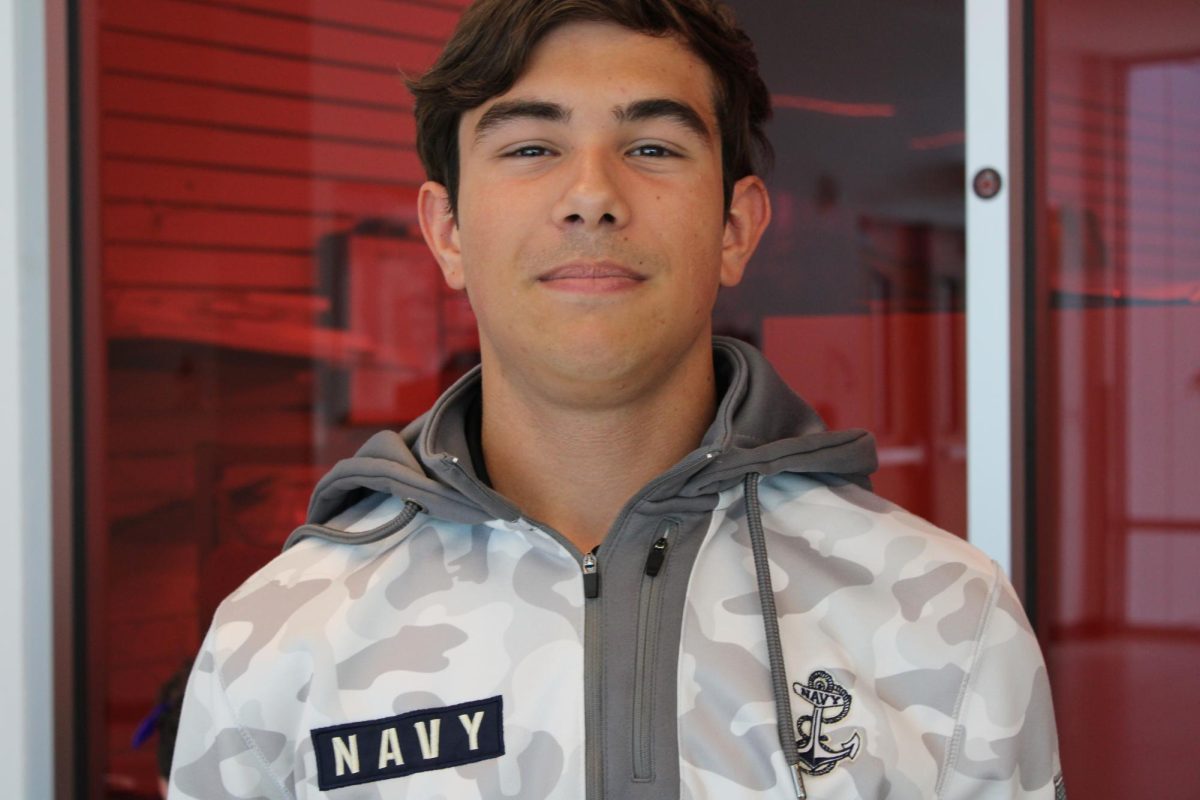
Tyler Bloom, grade 12, has decided to take on the rigorous military route through the Navy. Tyler decided to join the military when he was a child, and just recently found out which branch he would be entering during his Senior year. “I decided to take the military route because ever since I was a little kid I always wanted to join the military. I grew up around Navy guys, and when I was young decided that this is what I wanted to do with my life,” Tyler explained.
Tyler is deciding to go to college at the USNA (United States Naval Academy), and he is currently waiting for his acceptance letter. He chose USNA during his Freshman year when he took a deep dive into military-based colleges and came across this academy. Bloom believes that, “ROTC will help significantly for any students trying to go into the military field as they are able to get an idea of the job before joining and helps significantly with scholarships and nominations to academies. It will also boost your resume and really make you stand out when applying.” This statement allows us to see an inside view of what a college applicant to a military academy thinks about the JROTC program. Bloom chose the Navy route because, “That’s what I grew up with and have the most experience dealing with and the most knowledge about. I have the most support and help going into the Navy than all the other branches. The job I want to do can also only be done in the Navy, making it the clear choice.”
Another student at Lake Highland Preparatory School, Lukas McCall, grade 12, states that JROTC would not benefit him as much as someone who is trying to get into the Navy or Army, like Tyler Bloom. Many JROTC cadets feel as if they were pressured or influenced into this journey by their family or friends. McCall stated that his family did not pressure him. Although his father was in the Navy, Lukas’ dad was very supportive of his decision, to join the military which Lukas made all on his own. McCall stated that, “My counselor, Mr. [CASEY] Hampton, was super supportive and helpful through the whole process and Coach T (Thomas Scott) helped administer the CFA (Candidate Fitness Assessment) for me.” This illustrates how Lake Highland has provided support and encouragement through this process.
“Being in the Army was one of the greatest privileges of my life.” Nurse Jo Burt, the Middle School nurse stated. She explained “I do wish that LHP would provide JROTC or at least an affiliation with a JROTC branch as I believe that many young people at LHP would be interested in it. JROTC is a voluntary program sponsored by the U.S. military to teach leadership, discipline, physical fitness and citizenship. It does not require military service after graduation but is rather a program focused on character development. The program participation prepares students to be in the military if they choose and also provides a great resume for scholarships for military academies,” Nurse Jo Burt exclaimed when asked about her opinion on the JROTC program and Lake Highland. This statement also gives us a deeper view of what JROTC is and how it benefits students, not just in the military aspects but so much more.
JROTC is more than physical training, it is a life affecting process that trains you to be the best version of yourself. Whether you’re joining to be part of a branch or wanting to better yourself, you are part of a team and it becomes a part of you.