

























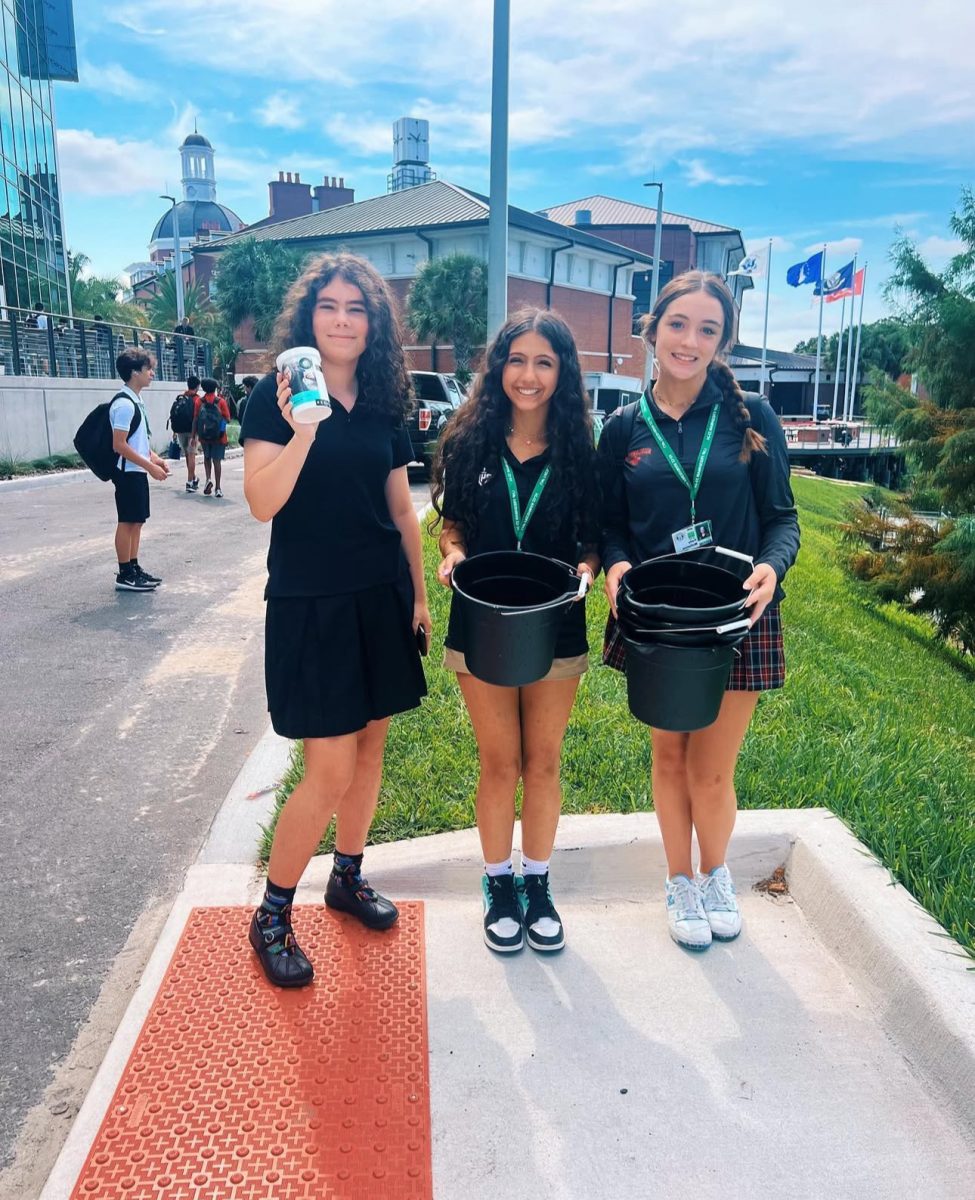
Each year, 400 million tons of plastic are produced, and this number is forecast to triple by 2060 according to Surfers Against Sewage. Single-use plastic, which is what usually ends up in the ocean, is created by burning fossil fuels. This releases carbon emissions. Not only do fossil fuels release carbon emissions, but when plastics break down in landfills, they release greenhouse gases that worsen climate change. Plastic pollution in the ocean has been a horrible problem, but lately, Miami-based SeaSweepers have found a sustainable solution. The SeaSweepers was founded in 2022 by Naveen Sydney and Taryn Larock with a mission: to recycle the plastic in the ocean. It is harvested from companies that clean up the ocean and then transport this marine plastic to their recycling center to clean, melt down, and then repurpose the materials to create chairs, sunglasses, swimwear, and so much more.
Plastic waste is a massive issue, but what makes it worse is that plastic is seldom recycled the right way. Our World in Data explained that, “Nearly one-quarter of the world’s plastic waste is mismanaged or littered.” CEO Naveen Sydney, knowing this problem, created a vital solution to this, as he stated, “We don’t just want to collect plastic;we want to transform it,” he explained in an interview with WRLN Radio. The process of repurposing marine plastic begins with the collection of the debris from organizations like Ocean Aid 360, Reef Relief, Fill a Bag, and more. There are no marine plastic recycling centers in the United States. Therefore, when people send their collected plastics to recycling centers, all the recycling centers can do is incinerate them. Research from Environmental Factor explained that when incinerating plastic, it releases pollutants like microplastics, bisphenols, and phthalates that can hurt the air quality and human health. With the SeaSweepers’ new remedy, their concept not only helps limit the amount of pollution in the ocean and landfills, but also, “Significantly reduces carbon emissions by almost 50%,” according to SeaSweeper’s official website.
Plastic in the ocean has hurt so many marine animals, such as seabirds, turtles, and whales, as these animals mistake the plastic for food. When a turtle sees a floating plastic bag in the ocean, they may see it as a jellyfish and decide to eat it, leading to intestinal blockage as well as clogging and suffocation of the turtle’s organs. Studies from Environment America, “Estimate that up to 90% of living seabirds have some traces of plastic in their body.” When animals consume plastic, they can feel full, which then leads to starvation even if they do not realize it because their bodies are so bloated with plastic.
Not only can the animals be injured or killed from consuming these plastics, but even being exposed to the toxins that plastics contain can, “Show a rangspring,” as explained in Environment America. This inherited deformities causes multiple species of animals to be endangered because of the bad health conditions that are being passed down to each generation. It multiplies the amount of animals that are dying from genetic causes. Because they can not do anything about this plastic, animals have no control over whether they pass genetic defects to offspring. Even if this doesn’t happen, animals can still be exposed, which disrupts the food chain and natural selection as evolutionary traps begin to occur more frequently.
As researched by NOAA (National Oceanic and Atmospheric Administration), not only is this plastic hurting the animals, but it is also hurting the living organisms like coral and plants inside the ocean. Carbon emissions from ocean acidification and pollution only continue to worsen as,”The world has lost 30-50% of its coral reefs already.” The SeaSweepers are determined to help change this issue little by little as their process begins to come to life.
On May 10, 2025, the SeaSweepers had their first intervention: they had hundreds of people who were environmental protectors, advocates, and even young people who wanted to make a difference, all gathered in Coconut Grove, Miami. Motivation from, “Plastic sorting races and other contests for prizes” were used as a tool to inspire a passionate and fast-working environment for the community of advocates. In the end, the SeaSweepers announced that by, “Late 2025… 25 park benches” will be crafted entirely from marine plastics and, “Permanently installed and dedicated to the City of Miami.” This donation was given to inspire the community of environmentalists, reminding them that sustainable solutions are possible, even when the process can be long and very difficult.
The SeaSweepers is the first ever marine based recycling facility in the U.S. They are determined to continue to grow while they pursue their journey as a 100% mission driven company. At this time, the SeaSweepers are in the phase of transporting the cleaned marine plastics to their facilities. They are still gathering more and more plastics as well as going through the cleaning process of the plastics. Check the SeaSweepers website for updates on their process and to watch their solutions come to life at seasweepers.io to discover how you can get involved.