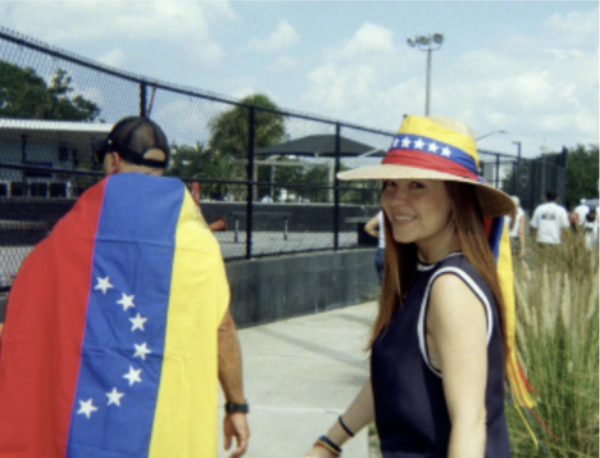








January 3, 2026, at 1:00 A.M. ET, Venezuela’s dictator, Nicolas Maduro Moros was taken into custody by the U.S. Army’s Delta Force and CIA operatives, through Operation Absolute Resolve. Relief immediately spread through the Venezuelan community as they heard the news in the early hours of the morning. Life under Maduro was difficult. According to Brittanica, Venezuelan citizens were forced to live in terrible conditions, constantly fearing for their lives. There were economic collapses, and many people struggled with lack of medicine and food, while the shadow of political oppression followed them. Blocked by the government, killed or jailed if caught escaping, there was nowhere to go. Despite this, the Venezolanos maintained a sense of community. There were frequent protests throughout the state unifying the people of Venezuela. These protests brought hope, but violence. Many of them ended in severe punishments, including jail time, or disappearances.
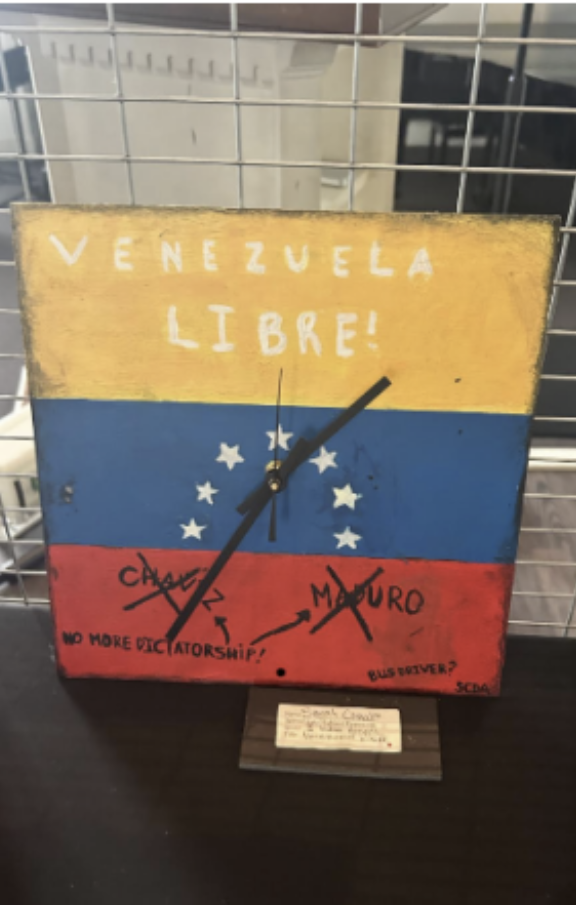
Although life in Venezuela is far from perfect, it wasn’t always filled with such chaos and corruption. According to Harvard Kennedy School, in the mid 1900s Venezuela was the wealthiest country in Latin America. They had a thriving oil industry, well paying jobs and a stable democratic government. That was until the election of Hugo Chavez. Chavez was a part of the Socialist political party, and was Venezuela’s first dictator. Chavez took the freedom of the Venezuelan people, and took control of the huge oil companies that were the country’s main source of income. Because of this, inflation grew, and the country collapsed. Chavez promised free food, health care and housing but instead stole everything and left them with nothing. In 2013, Chavez passed and the country felt a momentary pause, but not for long before Maduro came into power. From source The Week, Maduro was not an elected president, but one who was appointed by Chavez himself. Maduro did not have any form of political education. In fact, his only tie to the party was being Chavez’s driver. From the start, Maduro continued Chavez’s work and kept his legacy.
Under Maduro’s new regime, Venezuela turned to drug trade. They worked with countries like Columbia and Brazil to traffic drugs through the states. Maduro would sell drugs to the Narcos (the Spanish term for drug traffickers), adding to the ever growing problem. He brought severe corruption into the government and made poor connections with countries like the U.S. Maduro’s administration would create business with U.S. rivals like Cuba, Iran, and Russia. Not only this, but Maduro harmed natural resources like the Amazon, forever damaging some of the wonderful aspects of Venezuela. Maduro’s actions and political decisions have long lasting effects on the country and have harmed millions without remorse.
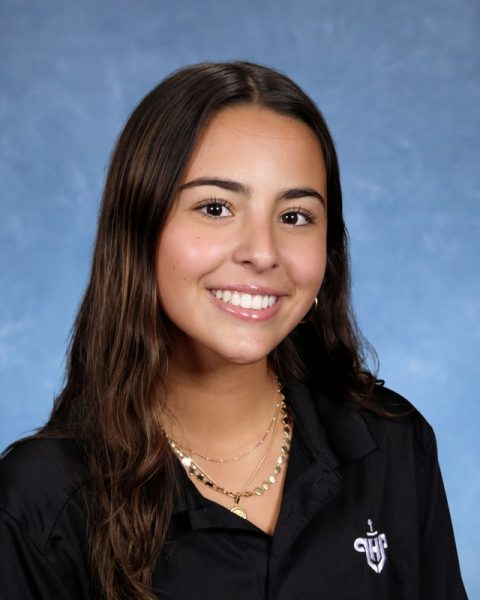
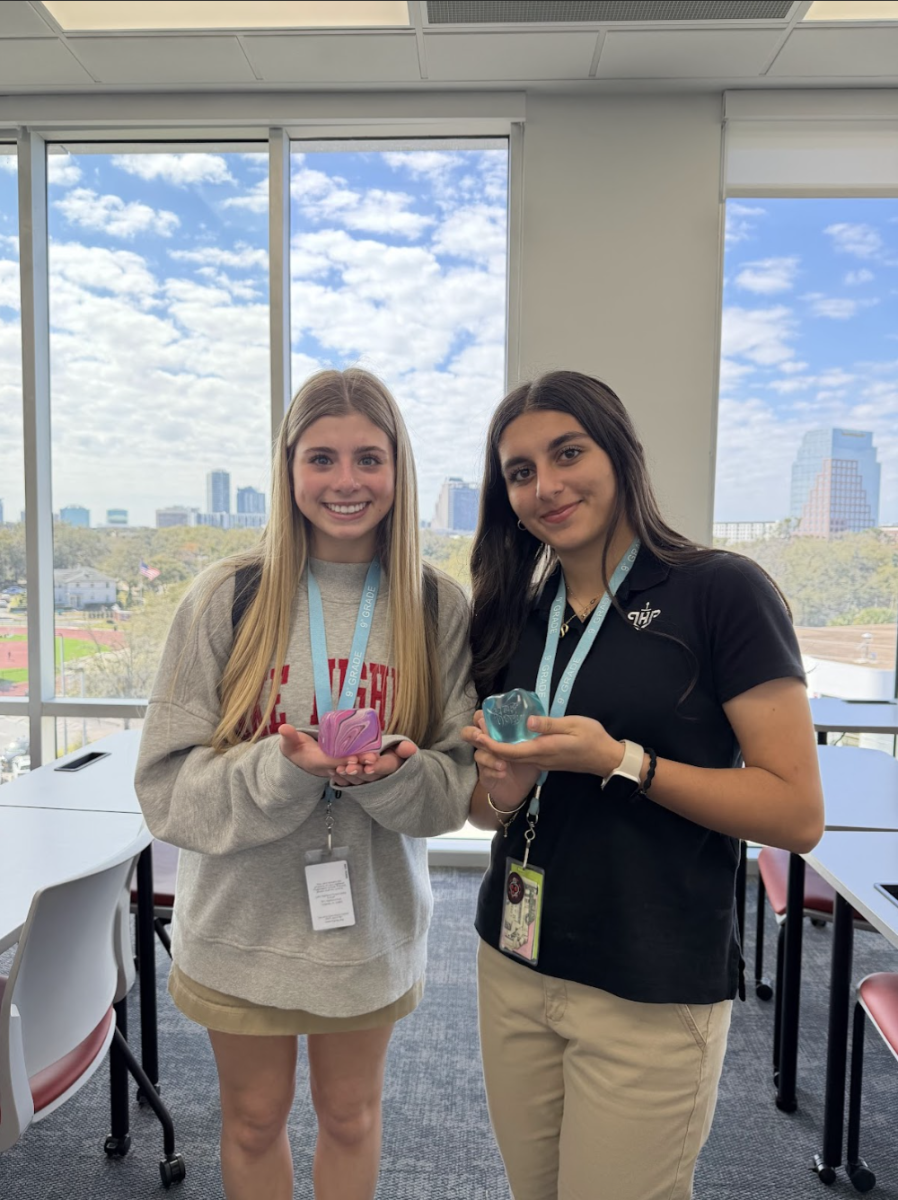
For Venezuelan immigrants, the fear for their families’ safety is constant in their mind. For the daughter of Venezuelan immigrants, Sarah Coelho de Azevedo, the political situation is not something that she takes lightly. Before Maduro’s capture, Sarah described it as, “Very stressful and hard” for her and her family. Despite this, they always remained hopeful and constantly stayed up to date, watching the news, and reading new information, waiting for updates. Sarah is a land born American, but a native born Venezuelan and has always expressed her feelings about her family’s home, constantly sharing the news and educating her classmates. Sarah has always been proud of her heritage, but very aware of the ongoing problems her family was facing.
Since she was young, news about Maduro’s policies and actions were always something to be reminded of. But this never faltered Sarah’s character or hope. In fact, she states that, “The Venezolanos maintained a sense of community and came together because this was something that we have been hoping for for years.” During a time filled with such corruption and violence, the people of Venezuela, “Thrived because [they] all wanted [their] country to be good and safe again and [they] all needed each other in those moments,” Sarah explained. Through Chavez, and eventually Madura, Venezuelans leaned on each other. They proved they are not weak, but rather resilient people who never gave up hope for a country that was rightfully theirs.
When Sarah first heard about the news of Maduro’s capture, her, “First emotions [were] relief.” Her mom had woken her up a little earlier than usual to tell her, and it was, as she recalls, “The most relieving thing” she had heard. This moment was extremely emotional for her, as well as the rest of her family. When asked what was next for Venezuela, Sarah answered, “I hope for the future that I can finally fulfill that dream and be able to come and go to Venezuela from here safely and freely.” Most people don’t understand the fear of not being able to go home, but unfortunately that is the truth for many Venezuelan immigrants.
Throughout the history of Venezuela, the only thing that has remained constant is the unbreakable hope and spirit of the country. Most think it started with Chavez and is ending with Maduro, but it ends with the freedom, rights, and safety for all citizens of Venezuela, a country that was never lost but rather hidden. Everyone’s hope for the future of Venezuela is that it will gain its rightful president and prosper once again. Let all Venezuela remain in our hearts and prayers as the country rebuilds. Venezuela Libre!