





















Little Shop of Horrors is a comedic musical that incorporates elements of humor, horror, and science fiction. Originally published in 1960 as a low-budget film, it was later adapted to play format by Alan Marken and Howard Ashman. The play is known by those in the musical theatre community for its small cast size, leading to extremely selective casting.
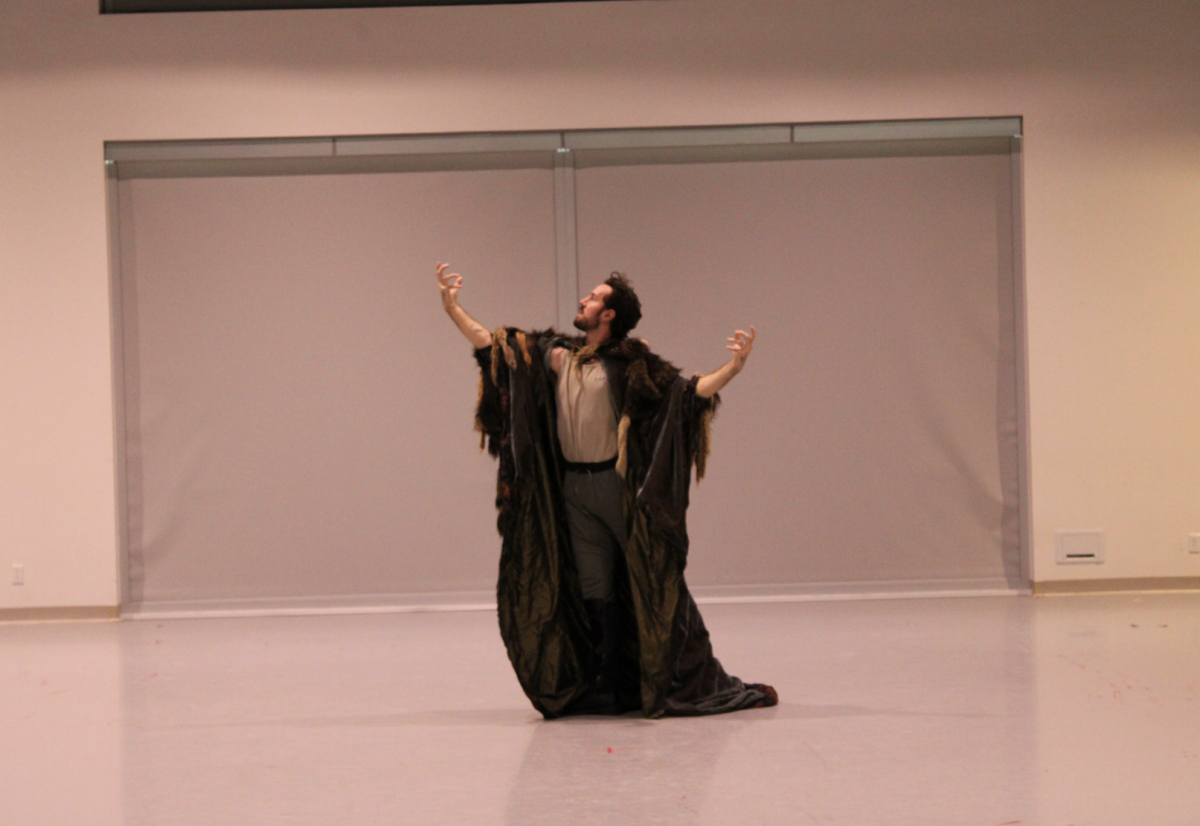
The play originally debuted in New York in 1982, making waves in the off Broadway play scene. It has since been performed around the world by theatres of all different skill levels and ages. The Junior version is a popular choice for school plays. For this year’s spring musical, Lake Highland’s musical theatre group has decided to perform their adaptation of Little Shop of Horrors. In an interview with long-time director Mrs. Elizabeth Cortelyou, when asked what inspired her to choose Little Shop of Horrors as this year’s musical, she responded, “We knew we wanted to do a Black Box show and thought that Little Shop of Horrors might create some interest for students as participants and as viewers.” This explanation is supported by the New York Theatre Guide, which called the musical, “The perfect musical for first-timers.” The play is short and engaging, making it the perfect spring musical.
Little Shop of Horrors is known for its scarier aspects, which, for many within the school’s musical Theater Department, raised the question of whether or not it would be appropriate and engaging for a student body with an ever-shortening attention span. “It’s always important to dig into the world of the play and how we might see ourselves reflected there. We also have to figure out why it might be important for us to tell a particular story. This play has iconic characters, and it’s challenging to put our own spin on something so recognizable. I felt leaning into some of the trickier themes might help us to leave our own mark on the show, even if the characters still appeared to be what we were used to seeing,” explained Mrs. Cortelyou.
With the play being adapted in the 80s, another concern was how the theme of the play would go over with a modern audience. Some of the topics have grown to be quite controversial in the 21st century. When asked how they would combat these issues and ensure that the message resonates with the modern audience, Mrs. Cortelyou responded, “It is important to explore themes that don’t necessarily appear to resonate so that we make our world a little bigger and develop empathy. Throughout the play, the lead female character suffers physical abuse by her boyfriend. The play treats it lightly because it is a musical comedy, but that is what’s happening, and she doesn’t suspect she deserves something better. These moments are there for us to look at and feel something for whether we experienced this type of behavior. We can’t feel nothing. There are also themes of consumerism, greed, loneliness, self-doubt, and poverty that should resonate with students once they see someone living in it, even if it is just in a play.”
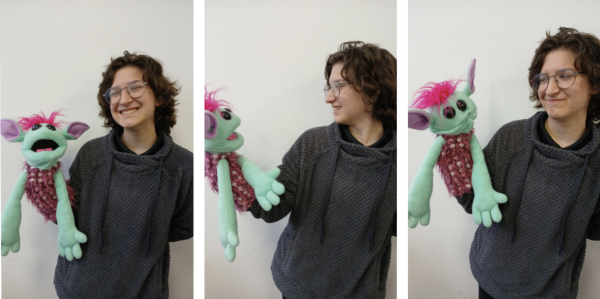
These themes end up being shown through the character Audrey II. The story revolves around the carnivorous plant, which symbolizes greed and feeds off of the other characters’ insecurities and desires. The plant is played by a puppet that is manipulated by a puppeteer. According to the play’s puppeteer, Khloe Fatone, grade 9, “The four Audrey II puppets are rented from the Musical Theatre International Company and are a big factor when deciding to produce the show and designing the set. The Audrey II puppet is made with spandex and painted fiberglass, built to endure the mishaps and roughness of countless productions.” When asked how Kloey got into the niche world of puppeteering she responded, “I got into puppeteering by hanging around the theater and reaching out to our wonderful directors and tech administrators of the school. With little prior experience, the video and physical resources provided to me by MTI will surely help me make the puppet come to life.” As rehearsals advance, the Lake Highland community is waiting eagerly to watch the final production of The Little Shop of Horrors.