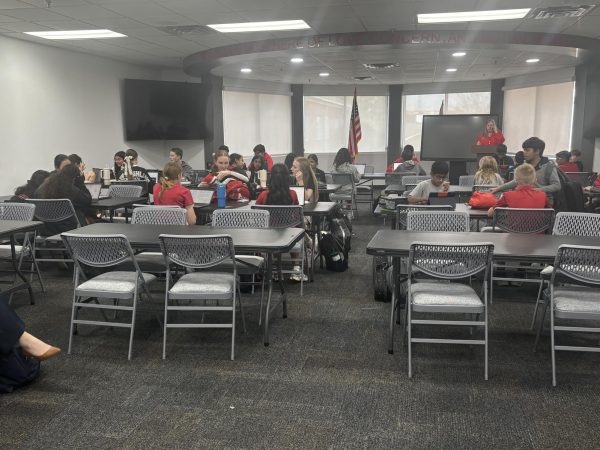































There are many problems facing the world today, between large-scale crises such as war and famine, to deeper, more ingrained issues, such as the psychological effects that social media can have on children. The students in the competitive Future Problem Solvers program aim to address and spread awareness about a wide range of issues that could potentially occur in topics such as surveillance, nanotechnology, and even video games. However, the competition does not focus on the current issues in these categories, but instead requires competitors to predict issues that could arise in the next 20 years or beyond based on current trends. The participants compete at the Districts level to qualify for Affiliates (States) and finally the International Conference. Students must be extended an invitation by the team’s head coach, Mrs. Ingrid Grenci, to join the team.
Although the program has always existed at Lake Highland, the team has experienced rapid growth in recent years. When asked the reason for this rapid proliferation, Mrs. Grenci responded that, “What I have noticed is students sticking with FPS. We have to limit the number of new students each year. Over the years the number of students continuing through Middle School and Upper School has increased. We continue to be one of the most successful FPS teams in the state of Florida. Last year we had 25 students qualify for Internationals.”
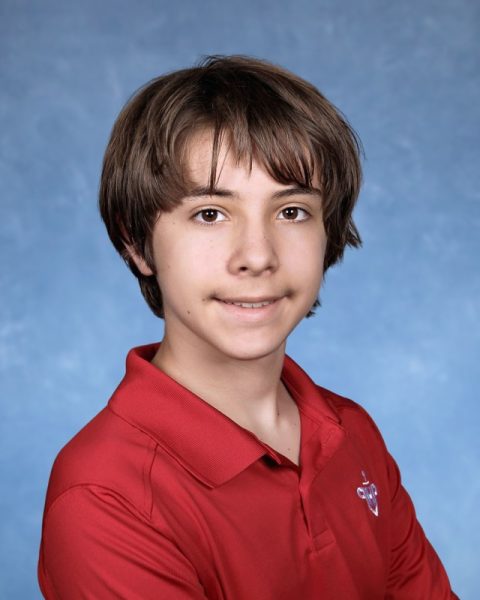
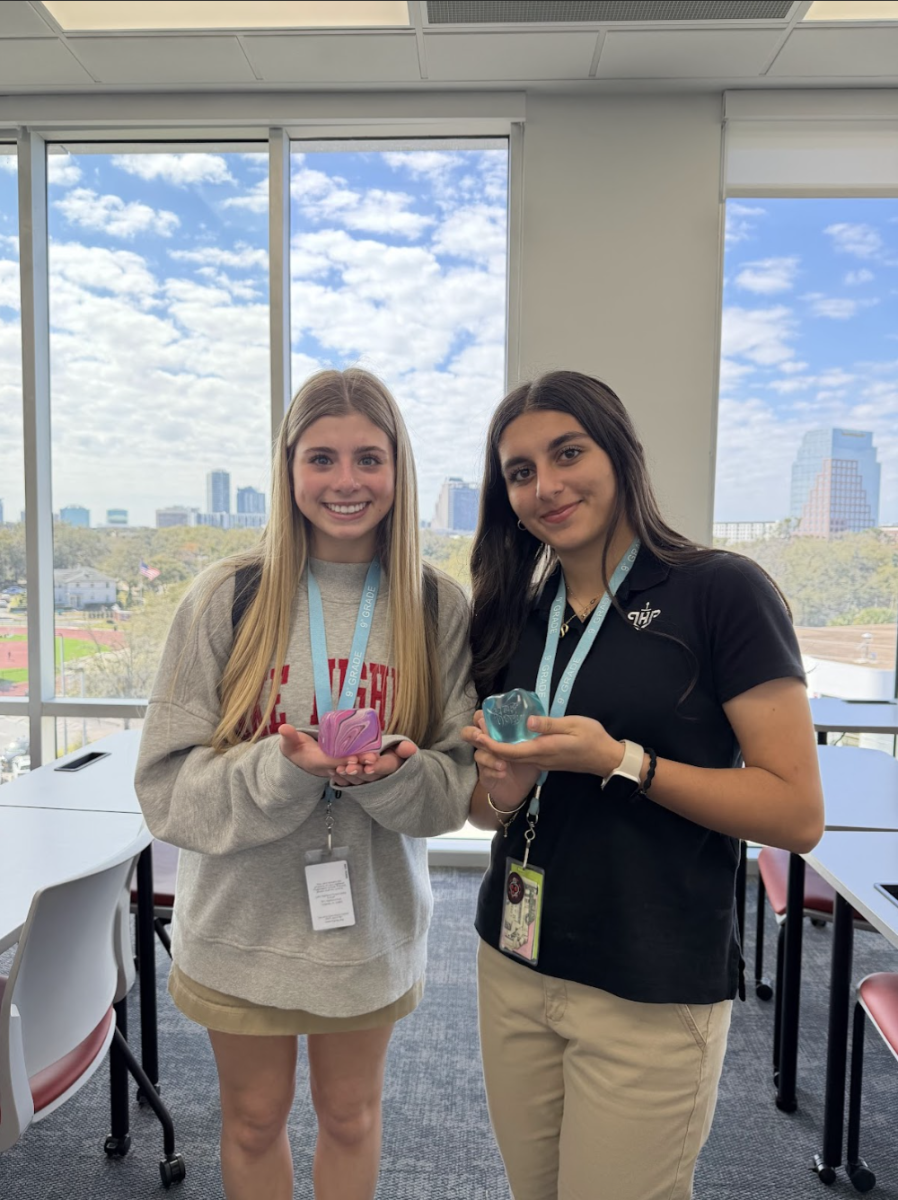
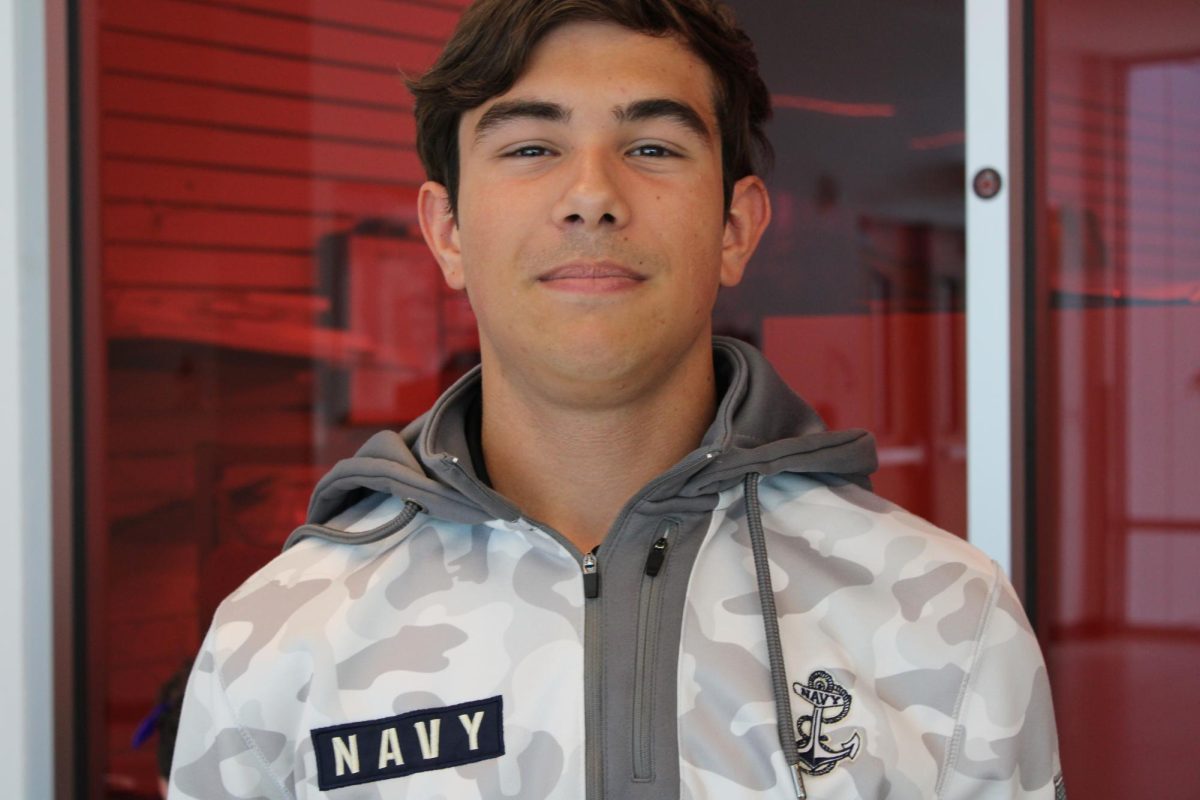
One likely reason for the program’s popularity is its flexibility with other after-school programs. For example, one Future Problem Solvers competitor, Ben Rich, grade 9, stated that he, “Was in Varsity Football for all of the first semester, and they had no issue… as long as [he] did [his] share of work.” Another competitor, Pranav Mahendran, grade 11, described how, “FPS is only mandated on Monday. While it is crucial to research outside of school, the work is not that strenuous.” Overall, the coaches’ involvement in the program and the accommodations they make for tight schedules contribute to the program’s spike in popularity.
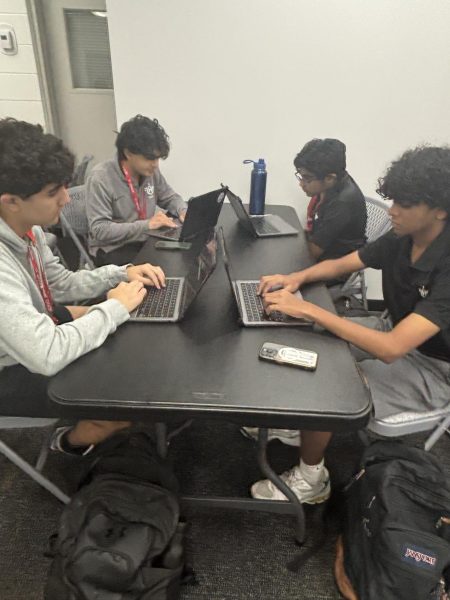
The four main events that the students compete in are Global Issues Problem Solving (GIPS), Creative Writing, Storytelling, and Community Problem Solving (CMPS). In GIPS, teams of three to four are given a one to two-page “Future Scene,” which is a short narrative about the specified topic. They are then given a blank booklet to work through the six problem-solving steps to create an action plan in two hours. These teams will then present their action plan in a fun manner in front of judges in a two to four-minute skit. Creative Writing, previously known as Scenario Writing, requires students to individually research and write an interesting, thought-provoking 1,500-word story about any of the four annual topics provided. Storytelling, previously known as Scenario Performance, requires competitors to individually display an emotional, engaging story on stage for five minutes, emphasizing character development and futuristic trends. Finally, students in the CMPS competition identify a current problem taking place near them, research it, and create real-life solutions, helping their local neighborhoods. With many different ways for students to express their talents, Future Problem Solvers is truly a program open to all.
Ultimately, the Future Problem Solvers program is a fun, competitive team-based program, with numerous different events that allow any student to excel. When asked to describe the main reason for students to join Future Problem Solvers, Mrs. Grenci answered that, “FPS teaches students not what to think, but how to think critically and creatively. It teaches a structure to problem-solving that can be used every day, especially when making big decisions.” Although FPS can be competitive, students ultimately enjoy doing it, and more are joining the program every year. Whether you’re a writer, performer, artist, or interested candidate with other talents, Future Problem Solvers might be the perfect fit for you!